


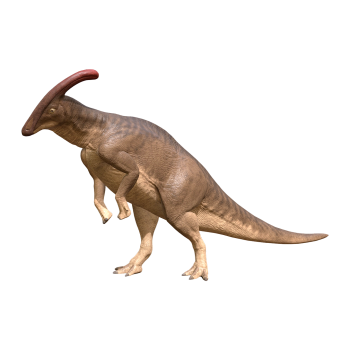
Parasaurus (3D animated model)
Paractenosaurus is a dinosaur of the family Auckbill, also known as Paracinosaurus, which means "almost crowned lizard". The most obvious feature of the paraphorosaurus is the extended crown on the head, which is rod-shaped and longer than other crowned dinosaurs. There is a thin tube in the crown of the head, which makes a sound when air passes by, and the parasaurus uses it to "talk". The forelimbs of parasaurus can support the body, swim and wade.

3D animation model of the secondary comb dragon
It is a dinosaur that lived during the Late Cretaceous period and belongs to the ornithischian order, hadrosauridae family. Known for its unique headband, which is shaped like a long trumpet that extends from the top of the head to the back. Medium in size, typically around 9 to 10 meters in length, and weighing up to 2.5 tons. The teeth and jaw structure have adapted to a plant-based lifestyle, especially chewing hard plant stems and leaves. The function of the crown has always been a hot topic for paleontologists, with various theories proposed, including its use for vocal communication, regulating body temperature, and olfaction. Fossils are mainly found in North America, especially in some areas of Canada and the United States.

3D animation of the secondary comb dragon model
It is a type of dinosaur that lived during the Late Cretaceous period, belonging to the ornithischian order, hadrosauridae family. Famous for its unique head features, which include a hollow coronal bone extending backwards, which may be used for vocalization or visual display. Medium size, with a body length of about 9 meters and a weight of up to 2 tons. The body structure adapts to living in open forests and swamps, feeding on plants. Fossils are mainly found in North America, especially in Alberta, Canada and New Mexico, United States. This type of dinosaur holds significant importance in the field of paleontology as it provides important clues about dinosaur behavior and social communication.

Fossil of the skull of the Pterosaurus rex
The Pterosaur is a member of the Hadrosauridae family in the order Ornithischia, also known as the Pterosaur. The most obvious feature is the crown extending from the head, which is rod-shaped and longer than other crowned dinosaurs. There is a thin tube in the crown of the head that makes a sound when air passes by, and the secondary comb dragon uses it for "conversation". The forelimbs of the Pterodactylus can support its body, swim, and wade through water. Living in the late Cretaceous period, this organism was discovered in North America and lived along inland waterways. Eating plants, the habitat is home to many evergreen trees, ferns, and a small number of flowering plants. Collective living, with a keen sense of hearing and smell, will use a headband to sound an alarm signal when danger is detected.

Popular Models
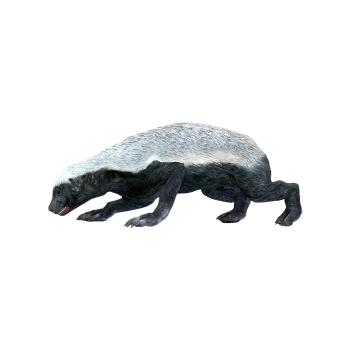
Honey Badger (3D animated model)
192 View
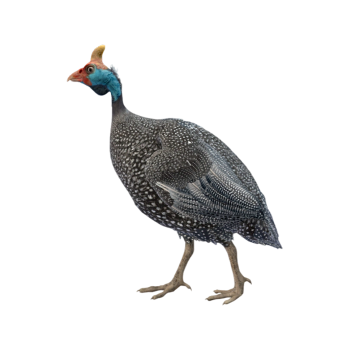
Guinea fowl (3D animated model)
163 View
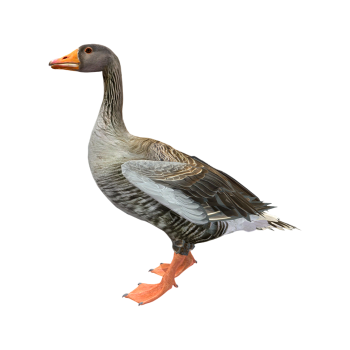
Wild Goose (3D animated model)
185 View
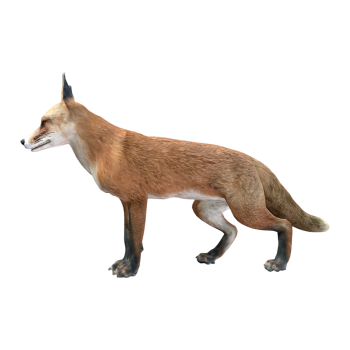
Red Fox (3D animated model)
153 View
Random Model


Dyer Abbey
451 View


American Bullfrog 3D model animation
977 View


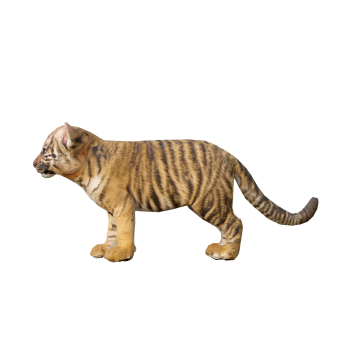
Tiger cub 3D model with animation
941 View
BATTA Zip Tee
707 View
Citrus 3D model
930 View